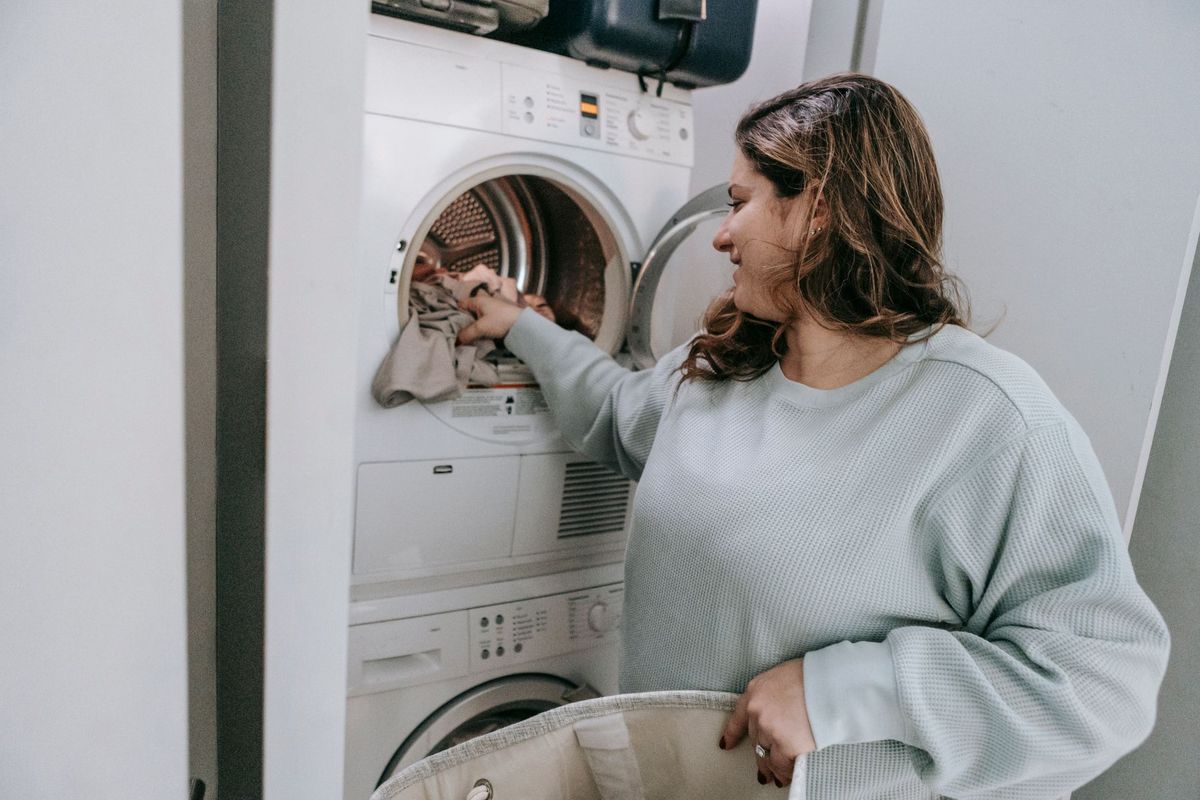
Start With the Right Appliance Diagnosis
When an appliance stops working in Federal Way, WA, the first question is usually, “Is this a simple reset, or is something seriously wrong?” A careful diagnosis can help you avoid unnecessary parts, prevent further damage, and decide how quickly you need professional help.
At A&H Appliance Repair Home services, we diagnose washers, dryers, refrigerators, dishwashers, ovens, ranges, cooktops, freezers, and ice makers throughout Federal Way and nearby communities. Our team serves homeowners, landlords, and property managers, and we are licensed under #HHOMEHS762NL. With a 4.9-star rating across 37 Google reviews, we focus on clear explanations rather than guessing at the problem.
Some checks are safe for a homeowner to perform, while others require electrical, gas, or refrigeration experience. The tips below will help you collect useful information without putting yourself, your home, or the appliance at risk.
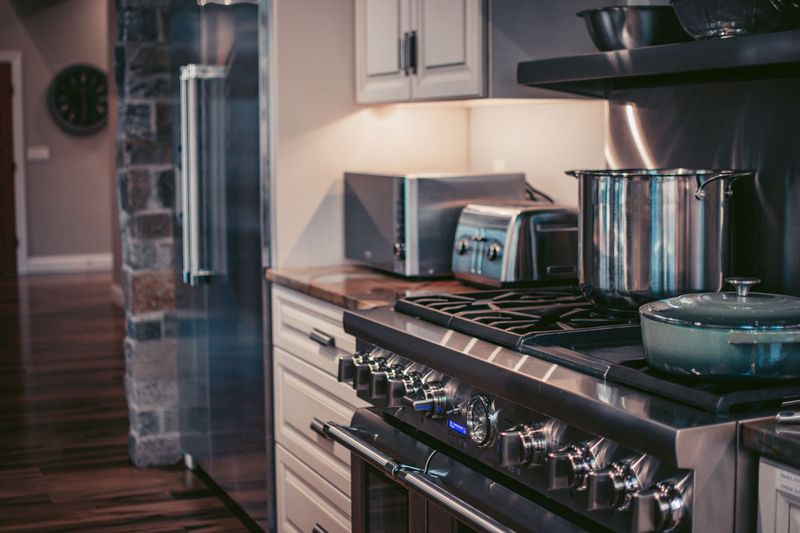
What a Professional Diagnostic Visit Includes
A professional appliance diagnosis is more than turning the appliance on and looking for an error code. We listen for unusual sounds, inspect visible wiring and connections, test operating components, check incoming power or water supply, and compare the appliance’s behavior with the manufacturer’s normal sequence.
For example, a refrigerator that is warm may have a failed fan, restricted airflow, a defrost problem, or a sealed-system issue. A dishwasher that will not drain may have a clogged filter, blocked hose, failed drain pump, or control problem. The symptom points us in a direction, but testing identifies the actual cause.
A proper diagnosis also considers safety and repair practicality. We document what we find, explain which repair is needed, and let you know whether the appliance can be used safely while you decide on the next step.
Safe Appliance Diagnostic Tips for Federal Way Homes
Before scheduling service, you can often gather important clues. The goal is not to dismantle the appliance; it is to identify what changed and rule out simple supply problems.
Begin with these safe checks:
- Confirm the appliance is plugged in securely and that the outlet has power by testing it with a small device you know works.
- Check the home’s electrical panel for a tripped breaker. If the breaker trips again immediately, stop resetting it and schedule service.
- Look for a closed water valve, kinked supply hose, blocked drain hose, or overloaded appliance.
- Record any error code exactly as displayed, including letters, numbers, and flashing patterns.
- Note when the symptom occurs: during startup, heating, draining, spinning, cooling, or near the end of a cycle.
- Listen for changes in sound and check for unusual smells, leaks, smoke, or excessive heat.
Do not remove an appliance’s back panel, bypass a door switch, test live wiring, or work on a gas connection unless you are properly qualified. Unplug the appliance before cleaning accessible filters or removing a visible obstruction. If you smell gas, leave the area, avoid switches and flames, and contact the gas utility or emergency services before calling us for appliance repair.
Federal Way Appliance Diagnosis: Clues by Appliance Type
Different appliances reveal problems in different ways. These observations can help our technician arrive prepared and reduce diagnostic time.
Washers: If a washer will not start, check the lid or door latch, control lock, water supply, and cycle selection. If it fills but does not agitate or spin, note whether you hear the motor running. A washer that stops with standing water may have a drain restriction or pump issue. For more focused guidance, see our washer repair service.
Dryers: A dryer that tumbles but does not heat may have a blocked vent, failed heating element, thermal fuse, or power-supply issue. Electric dryers require both legs of power to heat properly, so a partial electrical problem can look like an appliance failure. If the dryer is unusually hot or takes much longer than normal, stop using it until the venting and appliance are inspected. Our dryer repair service covers these symptoms.
Dishwashers: Check the filter, spray arms, detergent dispenser, water supply, and drain area. Poor cleaning can result from low water temperature, restricted spray arms, a weak circulation pump, or incorrect loading—not just a dirty filter. A dishwasher that leaves water in the bottom should not be repeatedly restarted until the drain path is checked.
Refrigerators and freezers: Record the actual temperature with an appliance thermometer rather than relying only on the display. Check that doors close fully, vents are not blocked by food, and the condenser area is not packed with dust. Warm food, excessive frost, clicking, or a continuously running compressor are valuable diagnostic clues. You can review our refrigerator repair guidance before requesting service.
Ovens, ranges, and cooktops: Identify whether the problem affects one burner, all burners, the bake function, the broiler, or the display. An oven that heats unevenly may have a weak element, temperature sensor, convection fan, or control issue. Do not test gas components yourself; shut off the appliance and request qualified help if you smell gas.
When to Schedule Professional Service
Some symptoms should move directly to the top of your service list. Contact a professional when the appliance repeatedly trips a breaker, leaks near electrical components, produces smoke, smells overheated, shocks you, or makes a loud grinding or sparking sound. Refrigeration problems also deserve prompt attention because food can become unsafe before the appliance looks completely failed.
In our many years of experience serving Federal Way, Tacoma, Puyallup, Auburn, Kent, Seattle, Renton, and Bellevue, we have found that customers get the best results when they provide a clear symptom history. Before we arrive, write down the brand, model number, approximate age, error code, and what happened immediately before the problem began.
A diagnostic appointment commonly takes about 45 to 90 minutes, depending on access and the appliance type. Straightforward issues may be identified quickly, while intermittent faults or sealed-system concerns can require more testing. We explain the findings and expected repair scope before moving forward, so you can make an informed decision rather than approve work based on a guess.
How to Prepare for an A&H Diagnostic Appointment
A few minutes of preparation can make an appointment more efficient and safer for everyone. Clear boxes, cleaning supplies, or stored items away from the appliance so we can reach the controls, connections, and surrounding floor. For refrigerators and freezers, avoid discarding food until we assess the temperature and cause, but move especially perishable items to a safe location if cooling has been lost.
Use this simple process:
- Stop unsafe operation. Unplug the appliance if there is smoke, burning odor, sparking, or a damaged cord. Shut off water when a supply hose is leaking.
- Collect information. Photograph the model and serial label, write down error codes, and note the cycle or function that failed.
- Protect the area. Remove laundry, dishes, or food that could block access, and place towels around a known water leak.
- Describe the timeline. Tell us whether the problem was sudden, intermittent, or gradually getting worse.
- Ask questions. We can explain the failed component, likely repair steps, safety concerns, and whether maintenance could prevent a repeat problem.
Our Federal Way appliance repair team works on residential appliances as well as commercial and property-management equipment. We also serve Tacoma and Puyallup when customers need consistent diagnostic support across multiple properties.
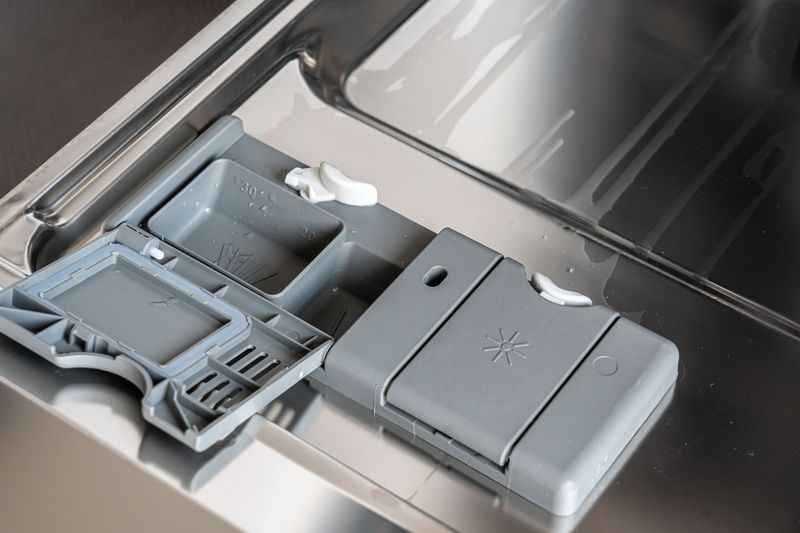
Good Records Make Future Repairs Easier
Keep a simple appliance record with the model number, installation date if known, previous repairs, filter changes, and recurring symptoms. This is especially useful for rental homes in Federal Way, Auburn, Kent, or Renton, where a property manager may not see the appliance operate personally.
Regular cleaning and maintenance can also improve diagnostic accuracy. Clean refrigerator condenser areas as recommended, clear dishwasher filters, inspect washer hoses, and keep dryer vents unobstructed. These steps do not replace professional testing, but they help us distinguish a maintenance issue from a failed component and may prevent avoidable service calls.
Frequently Asked Questions
Should I unplug an appliance before calling A&H?
Unplug it if you notice smoke, sparking, a burning smell, a damaged cord, or abnormal heat, provided it is safe to reach the plug. For gas odors, leave the area and contact the gas utility or emergency services first; do not operate electrical switches.
What information should I send before an appliance diagnostic visit in Federal Way?
Send the appliance type, brand, model number, error code, symptom, and a photo if helpful. Tell us whether the problem is constant or intermittent and whether the appliance is leaking, tripping power, or making an unusual noise.
How long does an appliance diagnosis usually take?
Many diagnostic appointments take approximately 45 to 90 minutes, although access, intermittent problems, and refrigeration issues can require additional testing. Our Federal Way team explains what we find before recommending the next step.
Can I keep using an appliance that is making a strange noise?
It depends on the noise and appliance, but grinding, sparking, burning odors, repeated breaker trips, and water near electrical parts are reasons to stop using it. We recommend scheduling service rather than continuing operation and risking additional damage.
Do you provide diagnostic service outside Federal Way?
Yes. A&H Appliance Repair Home services serves Federal Way, Tacoma, Puyallup, Auburn, Kent, Seattle, Renton, Bellevue, and nearby communities. We also support property managers and commercial customers with recurring appliance needs.
Ready to Identify the Problem Safely?
Contact A&H Appliance Repair Home services today.