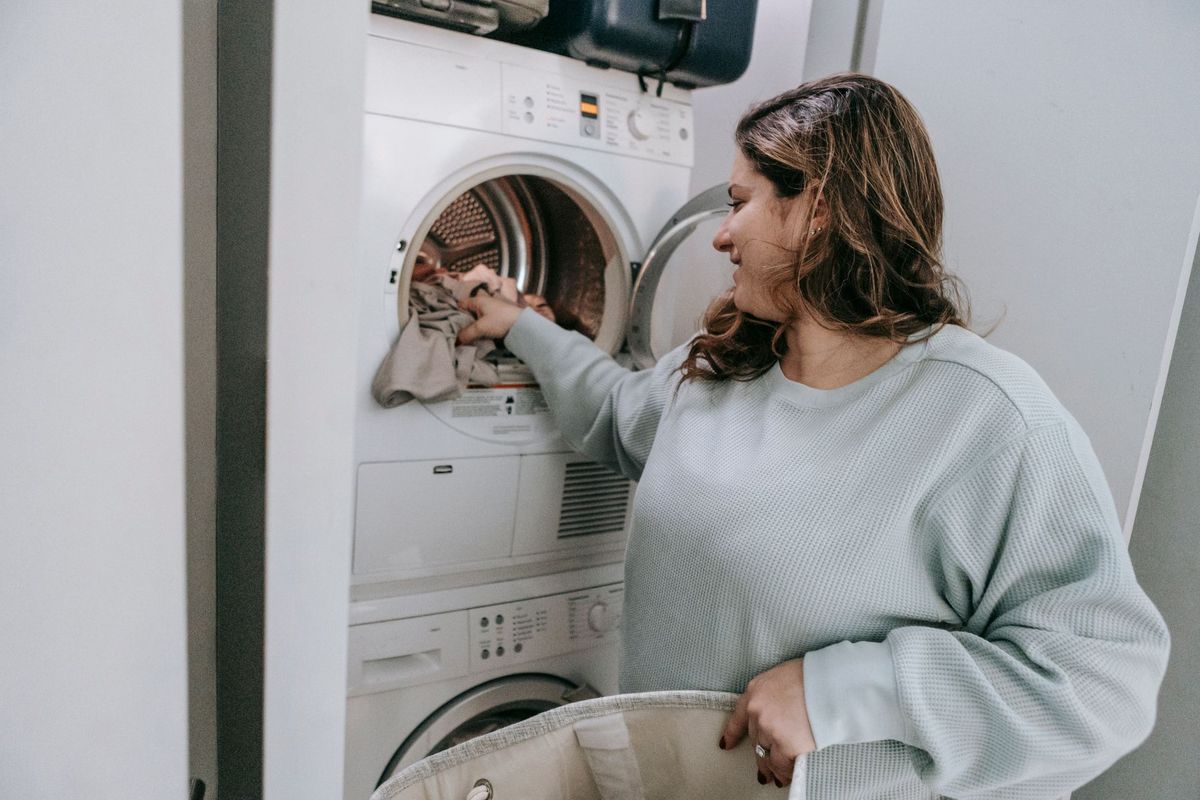
Appliance Repair in Des Moines, WA
Fast, honest repairs for refrigerators, washers, dryers, and all major home appliances.
425-525-8803Appliance Repair Services in Des Moines
Professional diagnostics and repairs for all major appliances.
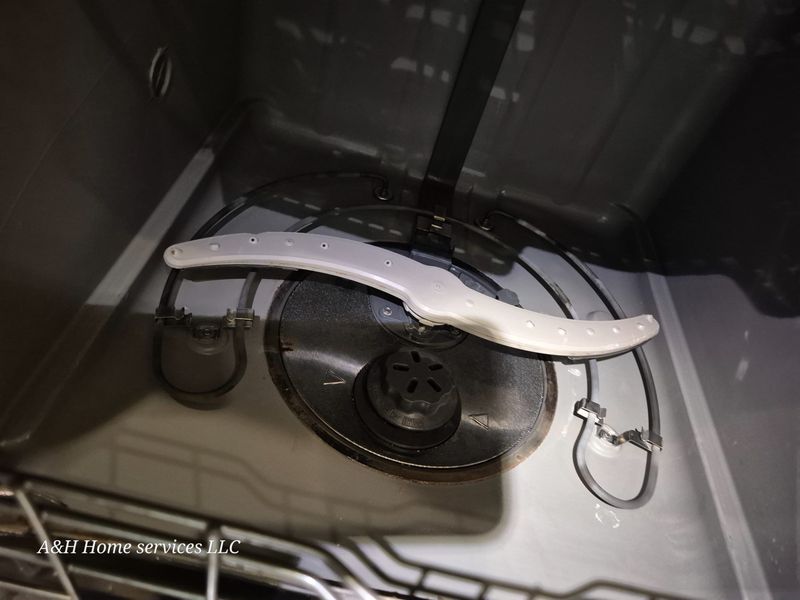
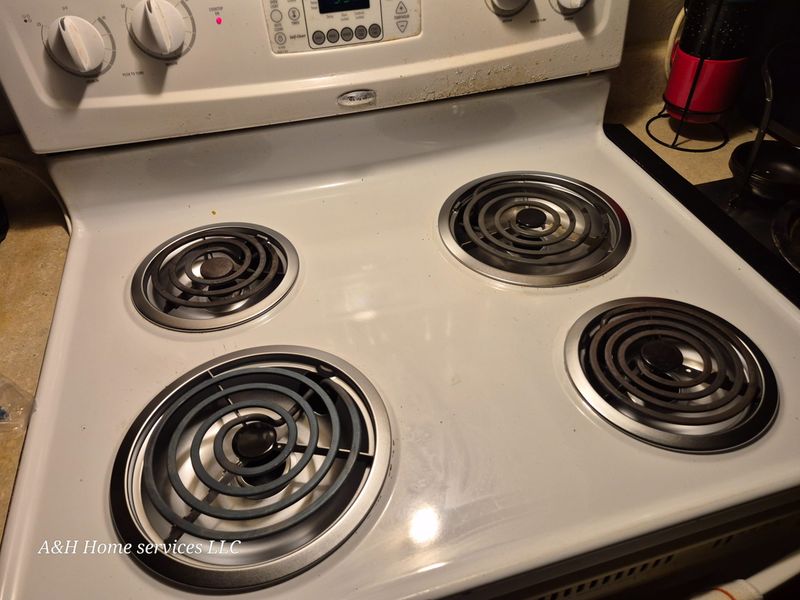
Appliance Repair for Des Moines Homeowners
A&H Appliance Repair serves Des Moines homeowners with fast, dependable appliance service. When a major appliance fails, the disruption is immediate—a broken refrigerator spoils food, a non-working washer piles up laundry, and a failed range stops meal preparation. We understand the urgency. Our technicians arrive prepared with diagnostic tools and common replacement parts, and work to solve problems efficiently. We provide a clear estimate before any work begins, so you know the cost upfront. If repair isn't practical or economical, we'll tell you—and help you understand when replacement makes more sense.
- ✓Same-day service availability
- ✓Licensed, insured, and bonded
- ✓Clear written estimates
- ✓Quality replacement parts
- ✓Professional troubleshooting
Appliance Service for Des Moines Landlords & Property Managers
Managing rental properties in Des Moines means keeping appliances working reliably—tenant satisfaction depends on it, and vacancy costs money. A&H works with landlords and property management companies on routine maintenance, emergency repairs, and multi-unit coordination. We're familiar with the scheduling challenges of rental properties: we can often fit urgent repairs around tenant availability, provide written documentation for maintenance records, and coordinate with your maintenance team. Whether you're managing one house or several properties across Des Moines, we handle repairs efficiently so your tenants stay satisfied and your properties stay profitable.
- ✓Fast-turn emergency repairs
- ✓Flexible scheduling for tenant coordination
- ✓Written maintenance documentation
- ✓Multi-unit service coordination
- ✓Fair pricing for property managers
Keep Your Appliances Running: Des Moines Maintenance Tips
Refrigerator Care — Keep Food Safe and Save on Energy
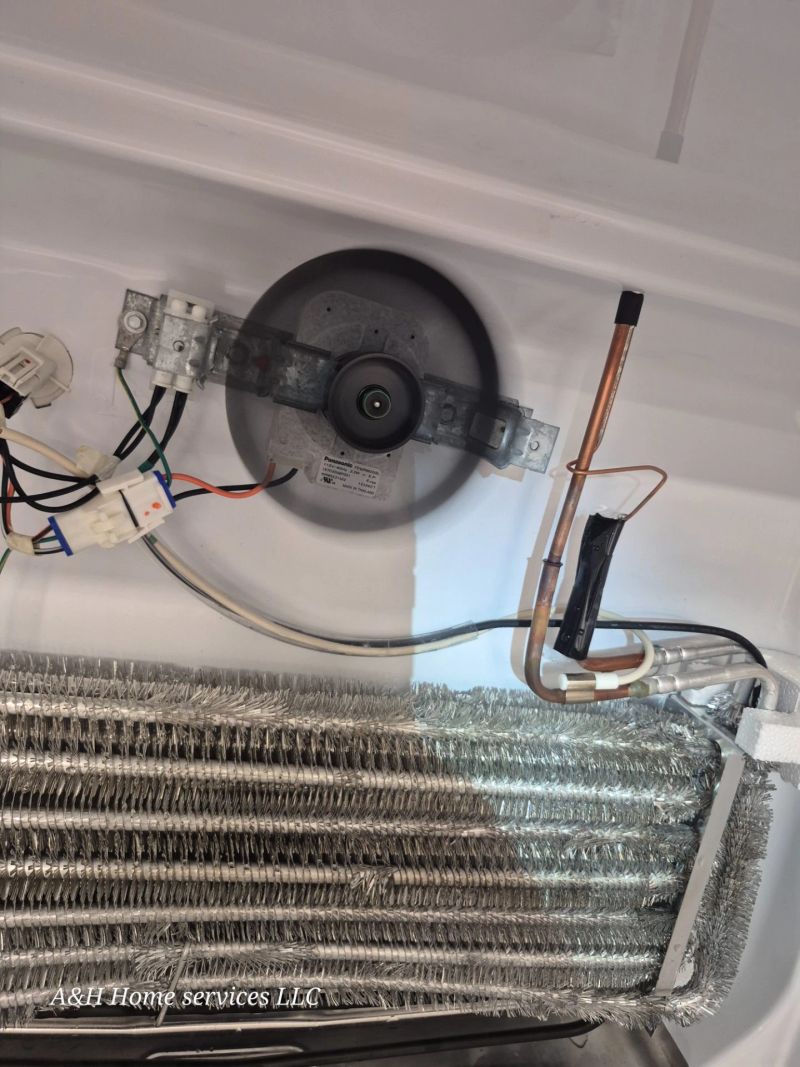
Your refrigerator runs 24/7, so small maintenance steps pay off. Clean the condenser coils (usually on the back or bottom) twice a year—dust buildup forces the compressor to work harder and shortens its life. Check the door seals: close a dollar bill in the door; if it slides out easily, the seal is worn and cold air leaks out, wasting energy and letting food spoil faster. Wipe spills inside promptly to prevent mold and odors. Keep the fridge at 37–40°F and the freezer at 0°F—too cold wastes energy, too warm risks food safety. If you notice the compressor running constantly or the fridge not cooling evenly, a technician can check the thermostat or refrigerant level before a breakdown costs you a fridge full of groceries.
Washer Maintenance — Prevent Leaks and Mold
Washers are prone to hidden problems. After each load, wipe the rubber gasket (the seal around the door on front-loaders) to remove moisture and detergent residue—this stops mold growth and keeps the door seal flexible. Leave the door open between washes to air dry the drum. Check the inlet hose connections every few months for soft spots or bulges; a burst hose floods your laundry room fast and costs thousands in water damage. If you have hard water, run a cleaning cycle with vinegar or a commercial washer cleaner monthly to prevent mineral buildup that reduces cleaning power. Unusual noises, leaks, or failure to spin are signs a bearing or pump may be wearing—catching these early prevents a complete breakdown.
Dryer Care — Extend Life and Prevent Fire Risk
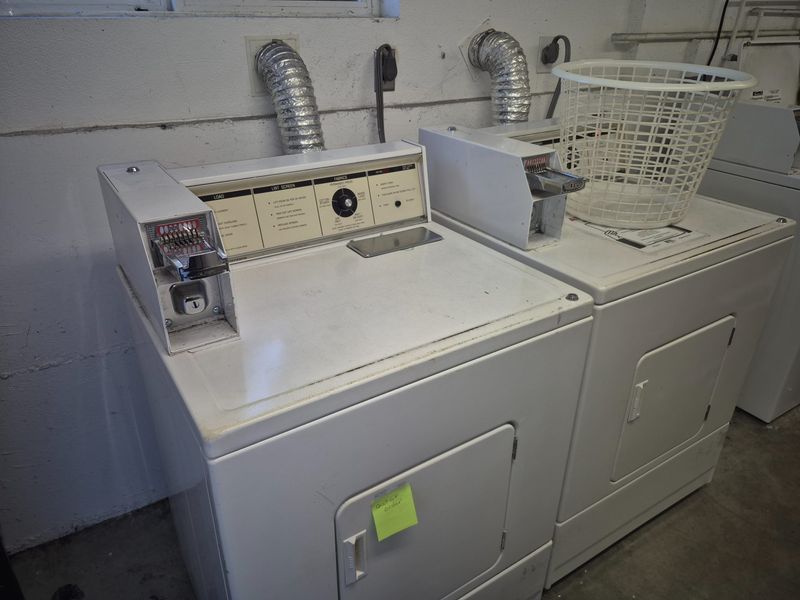
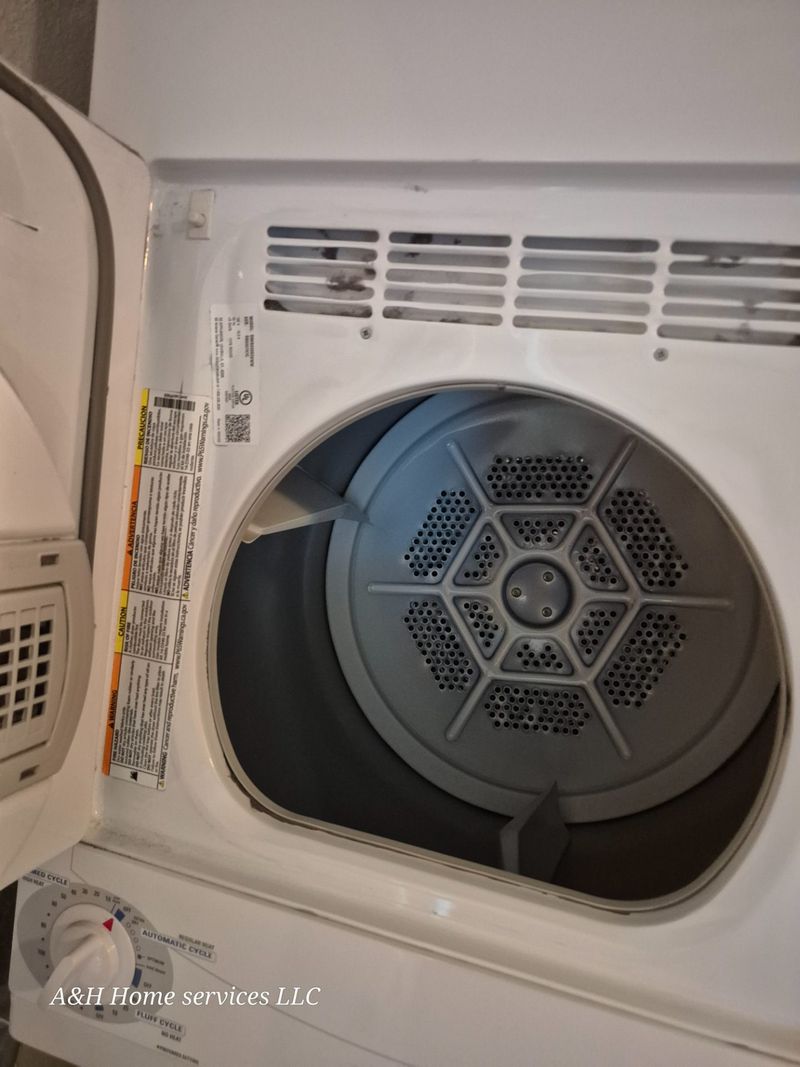
Dryer maintenance is a safety issue. Clean the lint trap before every load—lint buildup is a fire hazard and reduces drying efficiency. Once a year, unplug the dryer and vacuum the lint from inside the cabinet and the vent duct. Check that your vent hose is rigid metal or heavy-duty flexible ductwork (not thin plastic, which can kink and catch fire). Make sure the vent exits outside and isn't blocked by lint or bird nests. A dryer that takes longer and longer to dry clothes is usually telling you the vent is partially blocked—cleaning it not only prevents fire risk but cuts drying time and energy use in half. If the dryer won't heat at all, a thermal fuse may have blown (a safety device that kills power if the dryer overheats)—this is a quick, inexpensive repair that prevents dangerous overheating.