A Simple Washer Care Routine Can Prevent Major Problems
Does your washer smell musty, shake across the floor, leave clothes wetter than usual, or take longer to fill and drain? In Federal Way, WA, these are common warning signs that a washing machine needs routine attention—not necessarily a major repair. A few minutes of cleaning and inspection each month can help prevent leaks, mold growth, drain problems, and premature wear on expensive components.
At A&H Appliance Repair Home services, we work on washers throughout Federal Way and surrounding communities, including Tacoma, Puyallup, Auburn, Kent, Seattle, Renton, and Bellevue. Our team has many years of hands-on appliance experience, carries Washington license #HHOMEHS762NL, and has earned a 4.9-star rating across 36 Google reviews. We wrote this guide to explain the same practical washer maintenance procedures we recommend to our customers.
Start With the Washer Areas You Can See
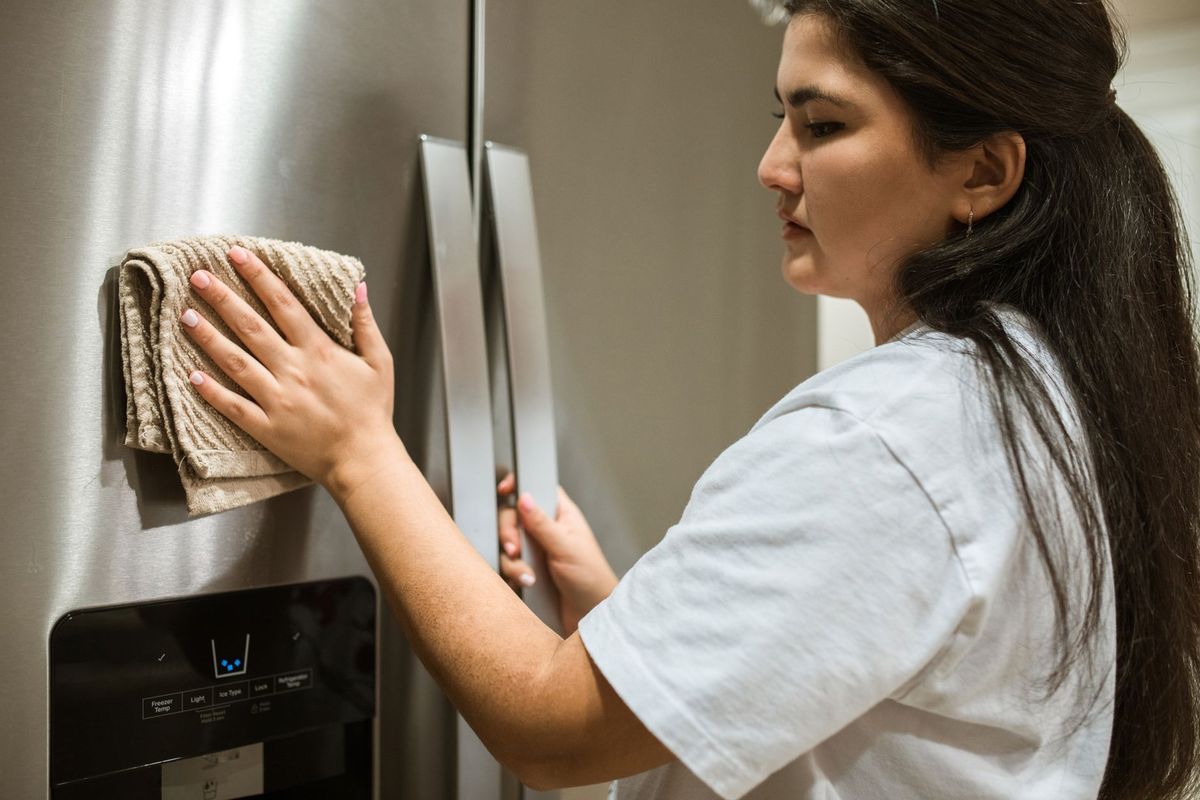
The easiest maintenance step is a careful exterior and opening inspection. Wipe the lid or door, detergent dispenser, rubber gasket, and control panel with a soft, damp cloth. On front-load washers, pull back the door gasket and remove lint, hair, coins, and standing water from the folds. Those small pockets hold moisture and detergent residue, creating the odor many homeowners notice after several loads.
Leave the washer door or lid open for a few hours after the final load so the tub can dry. Do not close a front-load door immediately after washing, especially in a warm laundry room. If you have children or pets, leave it open only when the area is safe, or use a manufacturer-approved ventilation position.
Avoid abrasive cleaners, steel wool, and excessive bleach. They can damage finishes and rubber seals. For detailed washer troubleshooting or service, see our washer repair service page.
Washer Maintenance in Federal Way, WA: A Monthly Procedure
A monthly routine is usually enough for a household that runs three to five loads each week. Homes with hard water, pets, children, or frequent laundry may need to inspect the washer more often.
- Inspect the hoses. Look behind the washer for bulges, cracks, rust around the fittings, or dampness. Rubber fill hoses commonly last about three to five years, while braided stainless-steel hoses can last longer but still need inspection.
- Check the water shutoff connections. Make sure the hot and cold connections are snug, but do not overtighten them. A connection that is too tight can damage the valve or washer fitting.
- Clean the dispenser. Remove the detergent drawer if the manufacturer allows it. Rinse away hardened detergent and fabric softener, then clean the cavity with a small nylon brush.
- Clean the drain pump filter when applicable. Many front-load washers have a small access door near the bottom. Put down towels and a shallow pan first because trapped water may come out. Never force the filter if it is stuck.
- Run a cleaning cycle. Use the washer-cleaning cycle and a cleaner approved for your model. Follow the product label and the appliance manual rather than combining bleach, vinegar, or other chemicals.
Preventing Washer Odors, Mold, and Detergent Buildup
Using more detergent does not make clothes cleaner. In high-efficiency washers, excess detergent can remain in the tub, gasket, and internal hoses. Over time, that residue combines with body oils and moisture, producing a sour smell and dark buildup.
Use only HE detergent in the amount recommended for your water hardness, load size, and soil level. Liquid fabric softener can also leave a coating, so measure it carefully and consider using wool dryer balls or another alternative if your appliance manual permits it. Do not overload the tub; clothing needs room to move through water and rinse properly.
For recurring odor, run an approved cleaning cycle, wipe the gasket and dispenser, and leave the door open afterward. If the smell returns quickly, the problem may be deeper than surface residue. A partially blocked drain, slow pump, contaminated hose, or standing water below the tub can require professional diagnosis. Our broader appliance repair services include washer diagnostics when cleaning does not solve the issue.
Reducing Vibration, Noise, and Wear
A washer that walks or bangs during spin should not be ignored. Excessive vibration can damage suspension components, loosen fittings, stress the drain hose, and eventually cause a leak. First, confirm the washer is sitting on a solid, level floor. Check the level from side to side and front to back, then adjust the appliance feet according to the manufacturer’s instructions.
Distribute large items instead of washing one heavy blanket by itself. Mix smaller items with bulky pieces when the manual allows it, and use the correct cycle for towels, bedding, or delicate clothing. Remove shipping bolts from any newly installed front-load washer; leaving them in place can cause severe vibration and internal damage.
If the washer still bangs when empty or during a balanced load, stop using it until it can be inspected. Worn shock absorbers, suspension rods, bearings, a damaged basket, or a failing drain pump can all create unusual noise. In our many years of experience, identifying these symptoms early often costs less than continuing to run the machine until another component fails.
When Federal Way Homeowners Should Schedule Service
Routine care cannot correct every washer problem. Schedule a diagnostic visit if you notice water on the floor, a burning smell, repeated error codes, a tub that will not drain, or a washer that trips the circuit breaker. Unplug the machine if it smells hot or electrical, and turn off the water supply if a hose or valve is leaking.
Before contacting us, write down the brand, model number, error code, and the point in the cycle where the problem occurs. Check whether the washer fills, agitates, drains, and spins. This information helps our team prepare for a more efficient visit and determine whether repair, part replacement, or installation and replacement makes the most practical sense.
We provide washer service for homeowners, landlords, and property managers in Federal Way, as well as nearby Tacoma, Puyallup, Auburn, Kent, Renton, and Seattle. Our goal is to give you a clear explanation and an honest recommendation—not to replace a machine that can reasonably be repaired.
Know What to Check After Every Load
After each load, take a few seconds to look for standing water inside the drum, clothing caught in the door seal, or detergent left in the dispenser. Confirm that the drain hose has not shifted and that the washer is not touching the wall, cabinets, or nearby shelving. These quick checks can reveal a small problem before it becomes a flooded laundry room.
Keep the area around the appliance dry and accessible. Do not store heavy items on top of a top-load washer or block the water shutoff valves. If a washer was recently moved, recheck its level and hose connections after the first few cycles. Proper clearance and stable installation matter just as much as cleaning.
Frequently Asked Questions
How often should I clean my washing machine?
For most Federal Way homes, we recommend wiping the gasket and dispenser monthly and running an approved washer-cleaning cycle about once a month. Households with frequent laundry, pets, or persistent odors may need to clean the appliance more often.
Why does my washer smell even after I clean it?
A recurring odor can come from detergent buildup, trapped water, a dirty drain pump filter, or residue inside the drain system. A&H Appliance Repair Home services can diagnose the washer if cleaning the gasket, dispenser, and tub does not resolve the smell.
Should I leave my washer door open?
Yes, leaving a front-load door open after use allows the gasket and tub to dry and helps prevent mildew. Keep the door open only when it is safe around children and pets, and wipe away standing water from the seal.
What should I do if my washer is leaking?
Stop the cycle, unplug the washer if it is safe to do so, and turn off the hot and cold water valves. Check for loose or damaged hoses, but schedule service if the leak is underneath the appliance, comes from the door, or returns after tightening a connection.
Does A&H Appliance Repair Home services maintain washers in Tacoma and Puyallup?
Yes. We serve Federal Way and surrounding areas including Tacoma, Puyallup, Auburn, Kent, Seattle, Renton, and Bellevue. Our team provides washer diagnostics, repairs, maintenance guidance, and replacement recommendations for homeowners and property managers.
Ready to Keep Your Washer Running Reliably?
Contact A&H Appliance Repair Home services today.