A practical repair-or-replace guide for Federal Way homeowners
When a refrigerator stops cooling, a dryer takes two cycles to dry clothes, or an oven quits before dinner, the first question is usually the same: Should I repair this appliance or replace it? The right answer depends on more than the age of the machine. Repair history, parts availability, safety, energy use, and the likely cost of a dependable repair all matter.
Here in Federal Way, WA, our team at A&H Appliance Repair Home services helps homeowners, landlords, and property managers make that decision every week. We provide appliance diagnostics, repair, installation, and replacement support throughout Federal Way, Tacoma, Puyallup, Auburn, Kent, Seattle, Renton, and Bellevue. We are licensed under #HHOMEHS762NL and have earned a 4.9-star rating across 36 Google reviews.
Our goal is not to sell you a replacement when a sensible repair will restore the appliance. We inspect the actual problem, explain the options, and help you compare the short-term repair cost with the long-term value of keeping or replacing the appliance.
Start with an accurate diagnosis, not a guess
A symptom does not always identify the failed part. A refrigerator that is warm may have a failed evaporator fan, restricted airflow, dirty condenser coils, a defrost problem, or a sealed-system issue. A dryer that is not heating may need a thermal fuse, heating element, vent correction, or electrical repair. Replacing the appliance before identifying the cause can turn a manageable repair into an unnecessary expense.
Our diagnostic process typically includes checking power, controls, error codes, mechanical operation, airflow, temperature performance, and the condition of the affected components. Once we know what failed, we can give you a more useful repair-versus-replacement recommendation. In many cases, a same-day repair is possible when the correct part is available.
The four questions we use to compare repair and replacement
There is no single age or dollar amount that automatically decides the issue. In our many years of experience, these four questions provide a reliable starting point:
- What is the total repair cost? Consider the diagnostic fee, labor, parts, taxes, and any related correction such as a damaged vent or electrical connection. A repair that costs a few hundred dollars may be excellent value on a newer premium appliance, while the same amount may be harder to justify on an older basic model.
- How old is the appliance? Typical service life varies by type and usage. Washers, dryers, dishwashers, and ranges often provide roughly 8 to 15 years of service; refrigerators commonly last around 10 to 15 years, although maintenance and usage make a major difference. These are guidelines, not guarantees.
- Has it needed repeated repairs? One failed component does not necessarily mean the appliance is finished. However, several major repairs in the past year, recurring leaks, repeated electronic failures, or a pattern of breakdowns may indicate that replacement will provide better reliability.
- Is the appliance safe and efficient? A failing gas component, exposed wiring, overheating dryer, serious water leak, or damaged power cord should be treated as a safety concern. Older appliances may also use substantially more electricity or water than current models.
Repair vs. replace in Federal Way: practical guidance by appliance
Different appliances fail in different ways, so the best decision depends on the equipment involved. Here is how we generally approach the most common calls in Federal Way and surrounding communities.
Refrigerators and freezers: Repair is often worthwhile when the problem involves a fan, thermostat, door gasket, ice maker, water valve, or defrost component. You may want to compare replacement more carefully if the cabinet is rusting, the liner is cracked, the compressor or sealed system has failed, or the unit has a long history of cooling problems. Protect food first: move perishables to a safe cooler and avoid repeatedly resetting a refrigerator that is making unusual electrical or burning smells. Our refrigerator repair service covers cooling issues, leaks, ice makers, and related problems.
Washers and dryers: A washer with a bad drain pump, inlet valve, belt, latch, or suspension component can often be repaired economically. Replacement becomes more attractive when the tub or basket is damaged, the machine has repeated bearing or control failures, or it leaks from the cabinet. For dryers, heating elements, thermostats, rollers, belts, and thermal fuses are common repair items. Before scheduling service, clean the lint screen and check that the exterior vent is moving air; restricted airflow can cause long drying times and overheating. See our washer repair guidance or dryer repair service for appliance-specific help.
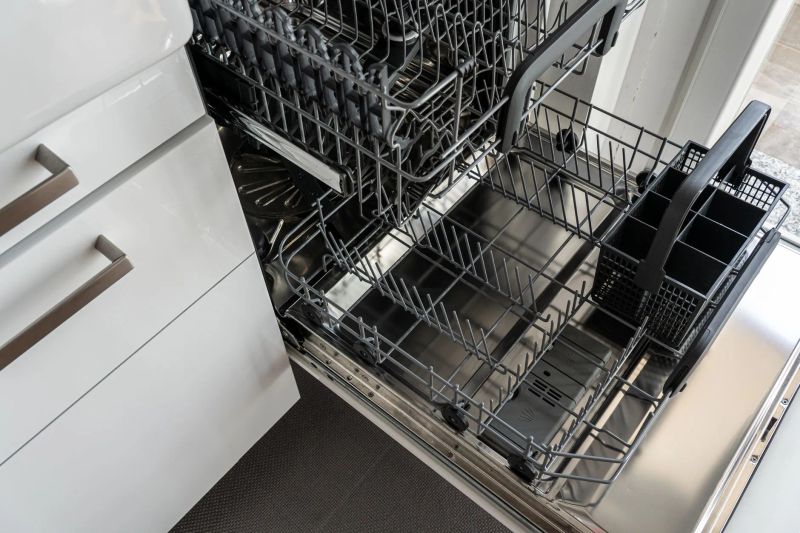
Dishwashers: Repairs are usually sensible for drainage problems, spray arms, door seals, circulation pumps, inlet valves, and many control issues. Replacement may make more sense when the tub is rusted or leaking, the racks and seals are deteriorated, and the unit has multiple performance problems. Never keep running a dishwasher that is actively leaking onto flooring or cabinetry. Our dishwasher repair service can help identify whether the issue is mechanical, electrical, or related to the home drain connection.
Ovens, ranges, and cooktops: Heating elements, igniters, burner switches, thermostats, door hinges, and some control components can be replaced. A cracked glass cooktop, damaged wiring, repeated ignition failure, or a major control board problem may require a more careful cost comparison. If you smell gas, turn off the appliance if it is safe to do so, leave the home, and contact the gas utility or emergency services before arranging appliance work. Do not use an oven or range with visibly damaged wiring.
A simple way to estimate the value of a repair
A common rule of thumb is to compare the repair cost with the price of a comparable new appliance, but the comparison should include more than the sticker price. Installation, delivery, haul-away, cabinet modifications, water-line work, electrical requirements, and scheduling can make replacement substantially more expensive than expected.
Use this checklist before making a decision:
- Ask for the diagnosed failed part, not just a symptom description.
- Request the estimated total repair price, including labor and parts.
- Check whether the replacement part is available and whether it carries a parts warranty.
- Add the cost of delivery, installation, disposal, and possible plumbing or electrical changes to a replacement quote.
- Consider whether the appliance still meets your household's capacity and layout needs.
- Think about reliability: one reasonable repair is different from a series of expensive breakdowns.
As a general planning guide, many homeowners become more cautious when a repair approaches 40% to 50% of the cost of a comparable replacement, especially on an older appliance. That is not a strict rule. A high-quality refrigerator with a repairable fan may be worth fixing, while a lower-cost appliance with a deteriorated cabinet may not be worth another investment.
Warning signs that replacement may be the better choice
Call for professional advice promptly when you notice any of these conditions:
- The appliance has a burning smell, sparking, melted wiring, or repeated breaker trips.
- A refrigerator or freezer has a damaged cabinet, severe rust, or a suspected sealed-system failure.
- A washer is leaking from the tub, damaging flooring, or producing loud bearing noise.
- A dryer overheats, shuts off repeatedly, or continues to have poor airflow after the vent is corrected.
- A dishwasher has a corroded tub or recurring leaks into the cabinets.
- A range or cooktop has a cracked surface, unsafe gas odor, or damaged electrical connection.
- The appliance has required multiple major repairs in a short period.
Do not keep operating equipment that presents a fire, gas, shock, or water-damage risk simply because replacement is inconvenient. We can help determine whether a safe repair is practical and explain the replacement route when it is not.
How A&H Appliance Repair Home services helps you decide
Our process is straightforward: we listen to the symptom, inspect the appliance, identify the likely failure, and explain the available options. We consider the appliance's age, condition, repair history, part availability, and the way your household uses it. For a rental or managed property, we can also coordinate practical recommendations around tenant access, turnover schedules, and replacement installation.
When repair is the right choice, our team works to complete it efficiently and restore dependable operation. When replacement is more sensible, we can support the next step through our installation and replacement service. We serve neighborhoods across Federal Way and travel to Tacoma, Puyallup, Auburn, Kent, Seattle, Renton, and Bellevue.
A diagnostic visit can often save money because it prevents you from replacing the wrong appliance or ordering a part based on an incorrect internet diagnosis. Contact our team through the send message page with the appliance brand, model number, symptoms, and any error code you see.
Good decisions protect your budget and your home
The cheapest option is not always the lowest-cost option. A correctly completed repair can extend an appliance's useful life for years, while a rushed replacement can create installation surprises or leave you with an appliance that does not fit your kitchen, laundry area, or electrical setup.
On the other hand, continuing to repair an unsafe, inefficient, or repeatedly failing appliance can cost more over time. Our role is to give Federal Way homeowners a clear assessment so the decision is based on condition and value—not pressure.
Frequently Asked Questions
How old does an appliance have to be before I should replace it?
Age alone does not determine the answer, but appliances around 8 to 15 years old deserve a closer repair-versus-replacement comparison. A&H Appliance Repair Home services evaluates the actual failure, repair history, safety, efficiency, and part availability for homes in Federal Way and nearby communities.
Is it worth repairing a refrigerator that is not cooling?
Often, yes, when the cause is a fan, thermostat, gasket, defrost component, or another serviceable part. Replacement may be more practical for a damaged cabinet, compressor or sealed-system failure, or repeated cooling breakdowns, and our Federal Way technicians can identify the difference.
How much does appliance repair usually cost?
The price depends on the appliance, diagnosis, parts, and labor, so we provide an estimate after identifying the problem. For an informed comparison, also consider replacement delivery, installation, haul-away, and any plumbing or electrical changes.
Can you tell me if my appliance is worth fixing before I buy a part?
Yes. We recommend a diagnostic inspection before ordering expensive parts, especially for control boards, compressors, sealed systems, and electronic components. Our licensed team can explain the likely repair cost and whether the appliance's overall condition supports that investment.
Do you serve areas outside Federal Way?
Yes. A&H Appliance Repair Home services serves Federal Way, Tacoma, Puyallup, Auburn, Kent, Seattle, Renton, Bellevue, and surrounding areas. We provide repair, diagnostic, installation, replacement, and maintenance support for homeowners, landlords, and property managers.
Ready to make the right appliance decision?
Contact A&H Appliance Repair Home services today.